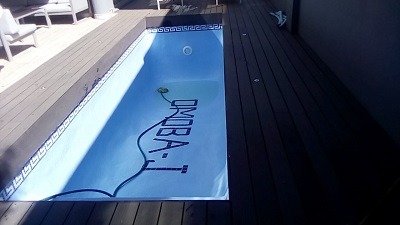
Why Gauteng’s Dry Winter Suits Resurfacing Work
Resurfacing depends on stable, dry conditions. Marbelite needs to cure without rain disturbing the surface. Fibreglass resin and gelcoat need to dry fully before the next layer goes on. Gauteng’s winter gives you exactly that: low humidity, minimal rainfall, and consistent daytime temperatures. Compare that to resurfacing in December or January. A single afternoon storm can delay curing by a day or more. Multiply that across a busy summer schedule, and a five-day job stretches into two weeks through no fault of the crew. Winter removes that variable almost entirely. This is also why Trademen Pools commits to tight timeframes in winter with real confidence. A remarbelite job that takes three to five days in July takes three to five days, full stop. There is no rain buffer built into the quote because there is no rain to buffer against. It also means the finish goes on under the best possible conditions to earn its guarantee — Trademen Pools backs every remarbelite job for five years and every refiberglass job for five years, and a clean, uninterrupted cure is what makes that guarantee easy to stand behind.The July Booking Advantage: Why Off-Season Pool Resurfacing Works
Here’s what happens every year. Enquiries drop off from May through August because homeowners assume nobody resurfaces a pool nobody is swimming in. Then September arrives, the weather warms up, and everyone remembers their pool at once. The diary fills within weeks. A homeowner who books in July gets a finished pool with weeks to spare before summer. A homeowner who waits until August competes with every other property owner in Gauteng who had the same idea. The job itself doesn’t get more expensive or lower quality. It just gets delayed, because the crew that would have started your pool in early September is already three jobs deep by the time you call.| Booking Month | Typical Start | Pool Ready By |
|---|---|---|
| July | Within days | Late July / early August |
| August | 1–2 weeks out | Late August / early September |
| Early September | 2–4 weeks out | Late September / October |
What Waiting Until August Actually Costs You
Nobody pays more for resurfacing because they booked late. What they lose is time — the two or three weeks between “I called a contractor” and “someone showed up.” That gap simply doesn’t exist off-season. Trademen Pools can start a remarbelite or refibreglass job in three to five days, or a full new pool build in two to three weeks, the moment you book — no queue standing between you and the crew. If your pool needs remarbeliting or refibreglassing before the family swims over the December holidays, that gap matters. Booking during the off-season eliminates it entirely.Timing the Work Around How You Actually Use the Pool
Most Gauteng households don’t touch their pool between May and August anyway. That makes winter the only time you can resurface without losing a single day of swimming. Book the work for a pool that’s already sitting empty and unused, and you lose nothing. Wait until spring, and every day the crew spends on-site is a day you can’t use the water. School holidays add another layer. Families often want the pool ready before the December break, not scrambling to book a contractor in November when everyone else has the same deadline. Pool resurfacing timing matters most when you’re working backward from a family event. Booking in winter sidesteps that pressure entirely — the pool sits finished and settled for weeks before anyone jumps in.What a Winter Pool Renovation Actually Involves
The process doesn’t change because it’s June instead of January. The old finish gets stripped back, and the shell is inspected and patched wherever cracks or hollow spots turn up. From there, the two finishes part ways. For marbelite pools, the fresh marbelite plaster is applied and left to cure overnight before the pool is progressively refilled. For fibreglass pools, the shell is re-plastered first and left to dry completely, and only once it’s fully dry does the crew apply the resin and gelcoat layers and let them cure. Winter doesn’t change either process — it just means both cures run their course without a storm interrupting them halfway through. What changes is only the reliability of that curing window — no rain, no humidity spikes, no summer storm pushing your marbelite cure or your fibreglass resin and gelcoat cure back a day or more. If your shell needs repairs or your marbelite shows cracks, winter is when Trademen Pools can handle it without the summer queue — and every remarbelite job carries a five-year guarantee, every refiberglass job the same, so the work is backed well past the season it was done in. Learn more about our pool repair and resurfacing services to understand what your specific pool needs.Book Early and Finish Stress-Free
If your marbelite has gone chalky or your fibreglass finish is showing its age, winter is the quiet window to deal with it. There’s no rush, no competing bookings, and no rain working against the cure. The only real deadline is the one everyone else will hit in September — and by then, the choice won’t be yours to make on your own schedule anymore. Don’t wait. Contact Trademen Pools today for a site inspection and quote on your winter pool resurfacing project. When you book in July, your pool is finished and ready to swim before the September backlog hits. Call us now to secure your slot.Frequently asked questions
Why is winter the best time to resurface my pool in Gauteng?
Gauteng’s dry winter offers stable, low-humidity conditions perfect for resurfacing. Unlike summer, there’s minimal rainfall, ensuring marbelite cures without interruption and fibreglass layers dry properly, preventing delays.What happens if I book my pool resurfacing in August instead of July?
Booking in August means joining a queue that forms as warmer weather approaches. While the job itself doesn’t cost more or decrease in quality, your start date will be pushed back, potentially delaying your pool’s readiness into summer.How long does pool resurfacing actually take?
The actual work for marbelite and fibreglass finishes takes three to five days to cure once the crew begins. The main difference in timing depends on how long you wait for the crew to start, especially during peak seasons.Does resurfacing my pool in winter mean I lose swimming days?
No, winter resurfacing is ideal because most Gauteng households don’t use their pools between May and August anyway. By booking during this off-season, you can resurface your pool without losing any swimming days.What are the safety requirements for pool resurfacing work?
Barrier compliance gets checked as a matter of course on any site visit, whatever the season. The barrier needs to be at least 1.2 metres high, measured from the ground on the outside of the enclosure, with no footholds a child could use to climb over. The gate is usually where compliance slips — it has to self-close and self-latch, with the latch set high enough to be out of reach.Ready to book your winter resurfacing?
Get your pool finished and settled by September. Call Trademen Pools now for an instant start in July or August—no queue, no wait.Step by Step: How Winter Suits Each Stage of the Resurfacing Process
The stages themselves are the same all year round. What winter changes is how forgiving each stage is while it happens.
Remarbeliting, stage by stage
- Draining the pool. No summer heat means no rush to get water out before evaporation and staining set in on an empty shell.
- Stripping back the old marbelite. A dry surface strips cleanly, with no residual dampness from rain trapped in the old finish.
- Inspecting and patching the shell. Cracks and hollow spots show up clearly on a dry shell, and patches set without a storm rolling through mid-repair.
- Applying the fresh marbelite plaster. Low humidity means the surface doesn’t skin over unevenly or absorb ambient moisture while the crew works.
- Curing overnight. This is the stage winter protects most. A dry, stable night means the plaster cures undisturbed, with no rain marking or softening the surface before it sets.
- Refilling and balancing the water. A pool refilled in winter isn’t fighting algae growth or high chlorine demand from summer heat while the water finds its balance.
Every remarbelite job Trademen Pools completes carries a five-year guarantee — a guarantee that’s easier to stand behind when the cure went in under stable conditions from day one.
Refibreglassing, stage by stage
- Draining the pool. Same advantage as marbelite — no evaporation pressure, no rush.
- Stripping back the old finish. Old gelcoat or plaster comes off cleanly on a dry shell.
- Inspecting and patching the shell. Any structural repairs needed go in without weather delays holding up the next stage.
- Re-plastering the shell and leaving it to dry completely. This drying stage is where Gauteng’s low winter humidity earns its keep — the plaster needs to be fully dry before resin goes anywhere near it, and a humid summer afternoon can stall that far longer than a dry winter one.
- Applying the resin and gelcoat layers. Stable, moderate temperatures let resin cure evenly instead of skinning over on top while staying soft underneath, which is what happens when it goes on too hot.
- Curing fully. Same principle as marbelite’s overnight cure — a dry, settled few days means the finish sets exactly as it should, first time.
- Refilling and balancing the water. A gelcoat surface settles into balanced water without the algae pressure that comes with a summer refill.
Refibreglassing carries the same five-year guarantee as remarbeliting. Both are also backed by Trademen Pools’ ten-year guarantee on the underlying concrete shell and a one-year guarantee on piping — so whichever finish you choose, winter is simply the season where every layer of that guarantee gets the best possible start.
Book Your Slot While July Is Still Open
The three-to-five day cure time doesn't change, but the queue does — get your resurfacing quote now and start before the September rush fills the diary.